
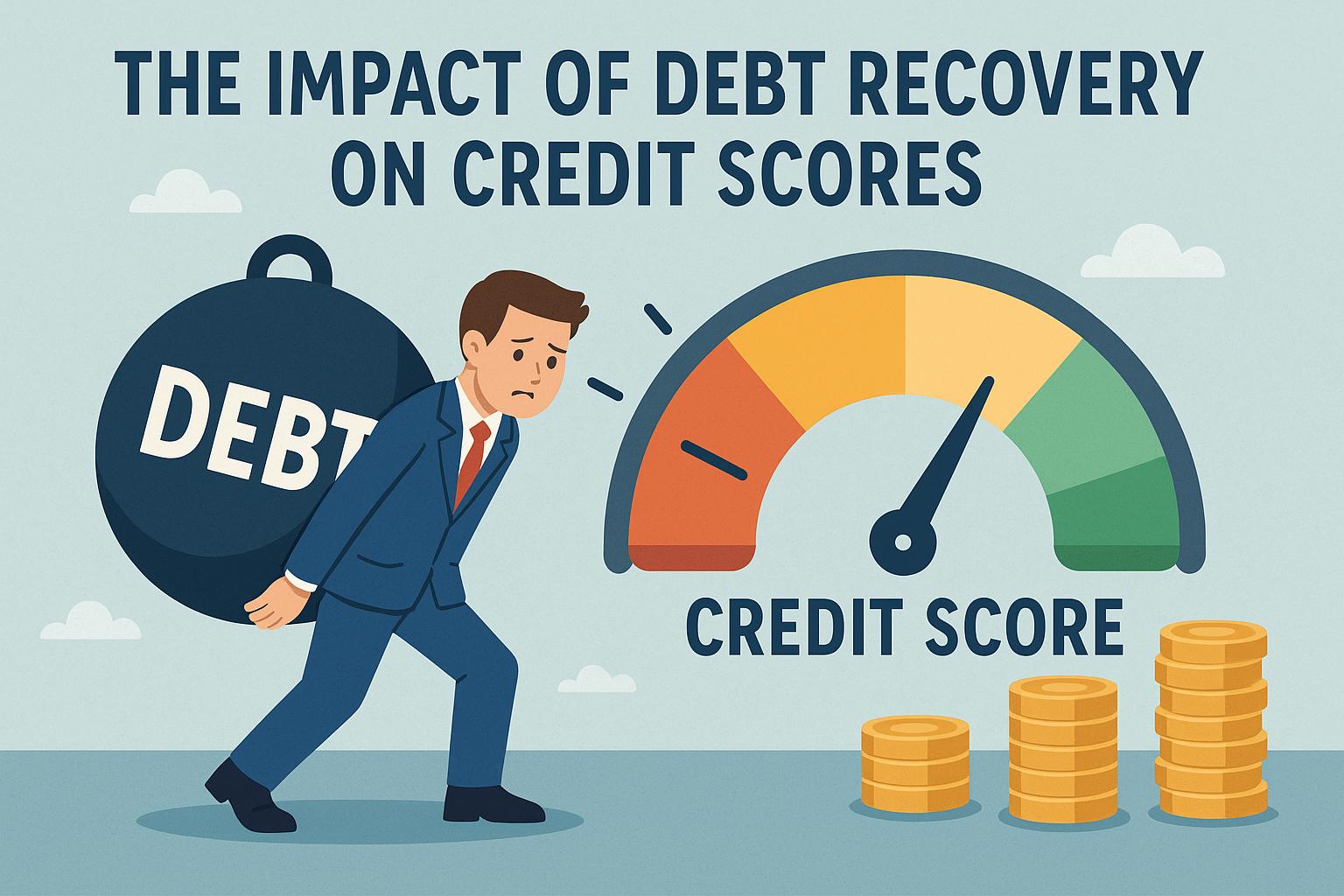
The Impact of Debt Recovery on Credit Scores
Debt recovery plays a significant role in the realm of personal finance, influencing credit scores in various ways. Understanding how debt recovery impacts your credit score can help you manage your financial health more effectively.
Understanding Debt Recovery
Debt recovery refers to the process through which creditors attempt to collect debts that are past due. This process can range from contact by collection agencies to legal proceedings. For consumers, the primary concern with debt recovery is its impact on their credit scores, which in turn affects their ability to secure loans or new lines of credit.
Debt recovery often begins after a borrower misses one or more payments. Initially, the creditor may reach out directly, but if the situation continues, they might employ collection agencies to attempt to recoup the funds. This process can become more aggressive if initial attempts to recover the debt are unsuccessful.
How Debt Recovery Affects Your Credit Score
When a debt goes unpaid, creditors may choose to report this to credit bureaus. The negative mark of a debt collection can significantly lower a credit score. Here’s how the process generally unfolds:
Late Payments: Initial missed payments are reported to credit bureaus. With each missed payment, your credit score may experience a notable drop. The extent of the damage often depends on your previous credit history; however, missed payments are universally unfavorable.
Collection Accounts: If a debt is moved to collections, this is noted on your credit report. Collection accounts can remain on your credit report for up to seven years, even if you subsequently pay off the debt. These accounts signal to lenders that you have had serious delinquencies in your payment history, which could impact their decision when you apply for future credit.
Legal Action: If a creditor takes legal action and wins a judgment against you, this too will be recorded on your credit report, causing further damage. Legal judgments are typically detrimental, severely affecting your creditworthiness.
Rebounding from Debt Recovery
While the impact of debt recovery on your credit score can be severe, it’s important to know that recovery is possible. Engaging in responsible financial behavior can gradually restore your credit score. Consider the following:
Paying down existing debts improves your credit utilization ratio, positively affecting your score. Your credit utilization ratio reflects the amount of debt you owe in relation to your credit limit. High utilization is a significant risk factor for creditors.
Consistently making future payments on time demonstrates financial responsibility. Timely payments rebuild your history positively, which is perhaps the most effective means of credit improvement.
Possibly negotiating with creditors to remove negative marks in exchange for settled debts can also assist in recovering your credit score. Sometimes, creditors might agree to remove a negative entry if you fully pay or settle the outstanding amount, a practice known as a pay-for-delete agreement.
Monitoring Your Credit Report
Regularly checking your credit report is crucial. By understanding your current credit standing, you can take necessary steps to address potential issues. Many financial institutions and services offer free credit report check-ups, allowing you to keep tabs on changes that could arise, including the effects of debt recovery.
A credit report provides insights into all aspects of your credit usage, including outstanding debts, payment history and any collection accounts. Reviewing your report can alert you to inaccuracies that, if corrected, could improve your score.
Developing a Long-term Financial Plan
Addressing debt recovery involves more than immediate actions; it requires a long-term strategy to ensure financial stability. Consider creating a budget that reflects all your financial obligations, helping you to manage your expenses effectively. This approach can prevent future delinquencies.
Additionally, building an emergency fund allows you to handle unexpected expenses without falling back into debt. Financial advisors often recommend saving three to six months’ worth of living expenses, providing a cushion during unforeseen financial difficulties.
Utilizing credit responsibly is another key factor in long-term planning. Limiting new credit applications and avoiding unnecessary debts can sustain credit score improvements made through diligent efforts after debt recovery.
Further Reading
For more detailed guidance on managing debt and improving your credit score post-recovery, consider exploring financial advice resources that specialize in credit management.
Understanding the comprehensive impact of debt recovery on your credit score is imperative for maintaining financial health. Educating yourself with reliable resources and creating a personalized financial plan plays a pivotal role in overcoming the challenges posed by debt recovery. This not only aids in regaining your credit score but also in establishing a secure financial future.