
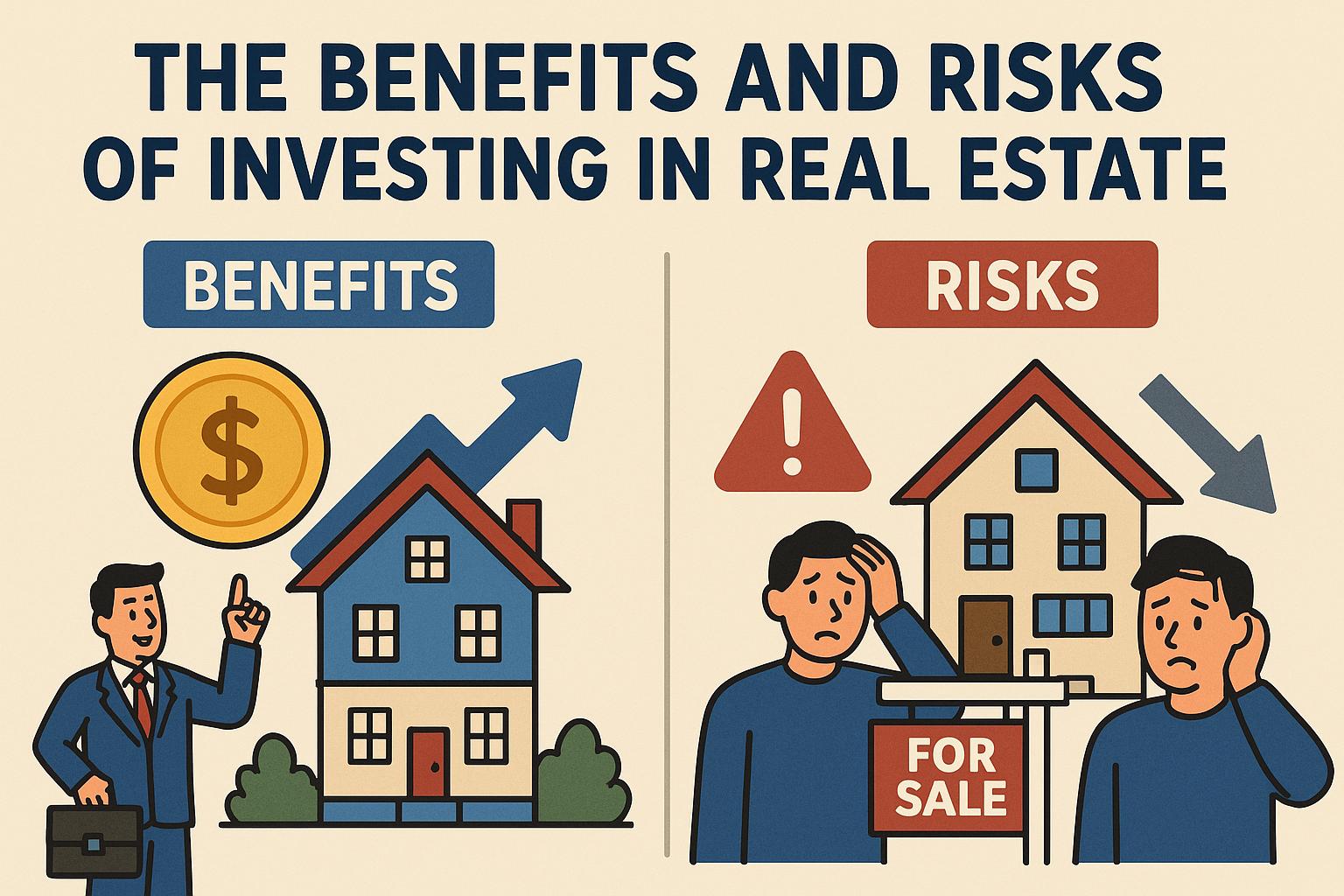
The Benefits of Investing in Real Estate
Investing in real estate can provide numerous advantages for investors seeking long-term gains. Below are some key benefits associated with this type of investment.
Steady Income Stream
Real estate investments, particularly rental properties, can provide a steady income stream. This recurring cash flow can be particularly attractive for those looking to retire or achieve financial independence. When you invest in a property, and especially if you choose the right location and type of property, the tenants’ monthly rent payments can become a reliable income source. The income generated can often outpace returns generated from other types of investments such as stocks or bonds. This aspect is crucial for investors aiming to diversify their portfolio and create an additional cash flow source.
Appreciation Potential
Real estate has the potential for long-term appreciation in value. Over time, well-chosen properties can increase in value, offering investors an opportunity to make a substantial profit upon selling. The key factor here is location; properties in high-demand areas tend to appreciate faster than others. Moreover, property owners can take measures to increase the value of their property, such as renovations or upgrades, which can enhance the property’s market value, thus amplifying future returns when the owner decides to sell.
Tax Advantages
Real estate investments come with certain tax benefits. Investors can deduct mortgage interest, property depreciation, and expenses associated with property management, thus reducing their taxable income. These deductions can significantly aid in lowering the tax liability of property owners, making real estate investment more financially appealing. However, it is advisable to consult a tax professional to fully understand applicable benefits and ensure compliance with tax laws.
Inflation Hedge
Real estate is often considered a good hedge against inflation. As inflation rises, property values and rental income typically increase. This means that even as the cost of living goes up, the rental income from properties often keeps pace, protecting investors’ purchasing power. Additionally, when housing markets experience price increases due to inflation, property values tend to rise, which can result in higher capital appreciation and increased wealth over time for property owners.
Risks of Investing in Real Estate
While there are significant benefits associated with real estate investments, potential risks should also be carefully considered to make informed decisions.
Market Volatility
The real estate market is subject to fluctuations, and property values can decrease due to economic downturns or changes in local markets. Unforeseen circumstances such as changes in local governmental policies, natural disasters, or shifts in neighborhood dynamics can impact market volatility, affecting the return on investment. Investors need to be aware of market conditions and economic indicators to make strategic decisions regarding their real estate endeavors.
Illiquidity
Compared to stocks or bonds, real estate investments are relatively illiquid. Selling a property can take time and effort, which may pose a challenge if quick access to cash is needed. Before investing, it is important to carefully consider the financial implications of holding a real estate asset long-term and to plan accordingly for potential liquidity needs that may arise in the future.
High Entry Costs
Investing in real estate often requires substantial upfront capital. Expenses such as the down payment, property taxes, and maintenance costs can be high. For some, this may be a barrier to entry or an aspect that adds financial strain. It is crucial to plan thoroughly for these costs and understand the financial commitment involved in purchasing and maintaining a property.
Management Responsibilities
Property ownership entails management responsibilities. This includes tenant management, property maintenance, and legal compliance. Such responsibilities can be time-consuming and might necessitate hiring a property manager. Moreover, understanding landlord-tenant laws and ensuring the property is up to code are essential parts of managing an investment property effectively.
Conclusion
Investing in real estate can be a prosperous endeavor given its potential for substantial returns and tax advantages. However, it is not without risks, including market fluctuations and high entry costs. Prospective investors should conduct thorough research and possibly seek advice from financial advisors to balance these benefits and risks. For those interested in taking further steps into the real estate market, acquiring knowledge about market trends, investment strategies, and financial planning will be beneficial. Further insights and educational resources on real estate investment strategies are available through platforms such as Investopedia, which can offer comprehensive guidance and support for new and seasoned investors alike.