
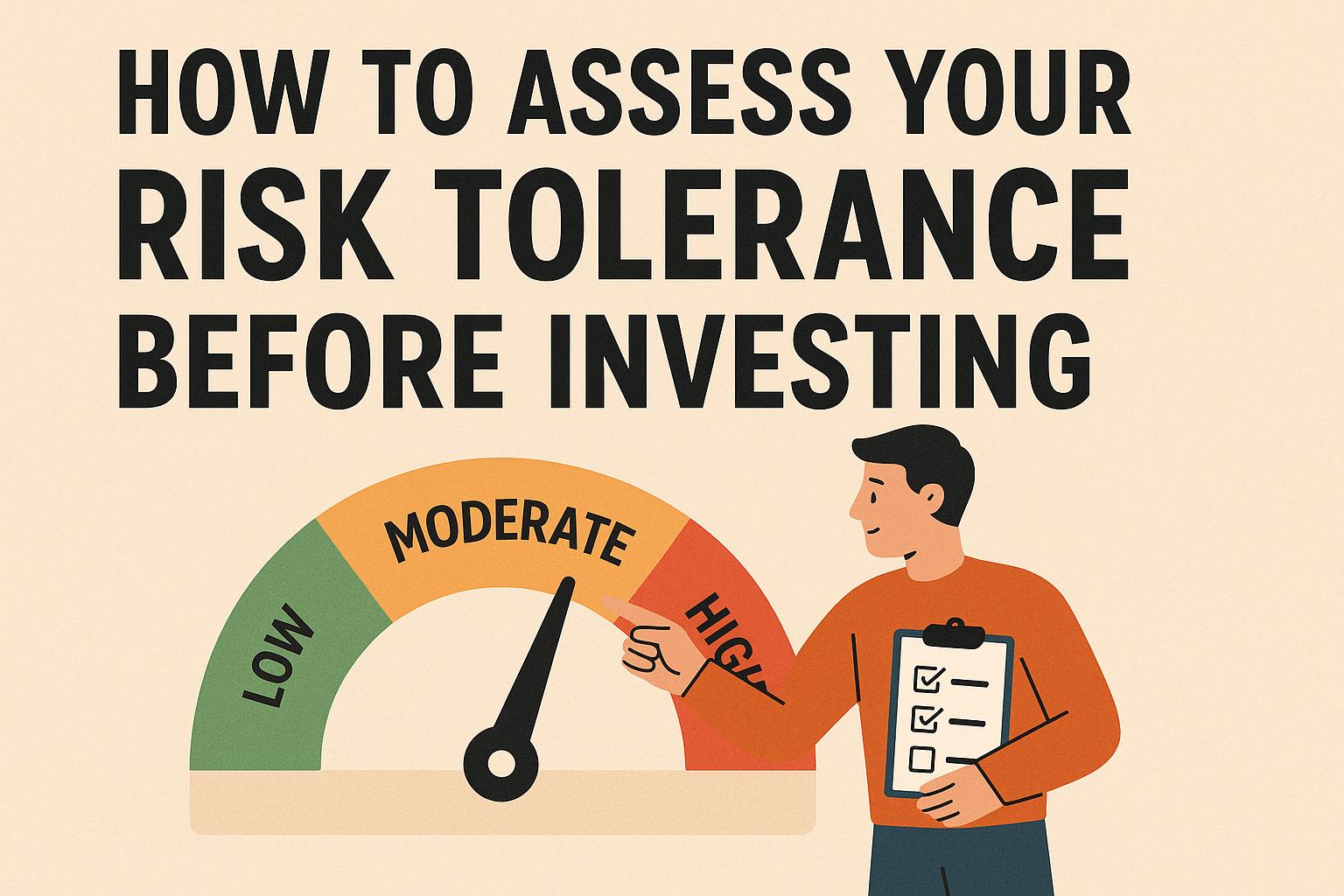
Understanding Risk Tolerance
Evaluating your risk tolerance is a crucial step before making any investment. Risk tolerance is defined as the degree of variability in investment returns that an individual is willing to withstand. It’s essential to grasp that every investment carries some amount of risk, and understanding your threshold for financial loss is imperative for making sound investment decisions.
Investment decisions can significantly impact your financial future, and approaching them without a clear understanding of your risk tolerance can lead to choices that may not align with your financial goals or comfort level. Let’s delve deeper into the various elements that influence risk tolerance, methods for assessing one’s personal risk style, and the strategies to maintain a balanced investment approach.
Factors Influencing Risk Tolerance
Several factors dictate the level of risk one is comfortable undertaking. These factors not only define individual risk tolerance but also shape investment strategies. Understanding these elements can provide a roadmap to tailor investments according to personal financial objectives and constraints. Here, we explore some of the key components influencing risk tolerance:
Time Horizon: The time horizon represents the length of time you expect to hold an investment before taking the money out, and it plays a significant role in determining risk tolerance. Generally, having a longer time horizon allows for taking on more risk since there is sufficient time to recover from potential losses. Conversely, a shorter time horizon necessitates more conservative investment choices to protect assets from significant losses.
Financial Situation: Your current financial status significantly influences your capacity to absorb risks. If your financial position is stable and strong, allowing you to endure potential losses without affecting your lifestyle, you may possess a higher risk tolerance. Individuals with a robust emergency fund or a consistent income stream might feel more comfortable with higher-risk investments compared to those with limited financial security.
Investment Goals: Clearly defining your investment objectives is instrumental in understanding your risk tolerance. Different financial goals, such as retirement planning, buying a home, or funding education, come with varying levels of risk. For example, saving for a down payment on a home within the next five years might require a conservative approach to preserve capital, while building a retirement fund over several decades might support a more aggressive strategy.
Assessing Your Personal Risk Style
Knowing your personal risk style can aid in aligning your investment choices with your risk tolerance. While it is possible to engage in self-assessment quizzes typically offered by financial advisors and brokerage firms, starting with individual introspection can also provide valuable insights. Here’s how to get started:
Self-Reflection: Take a moment to consider past financial decisions to understand your comfort with uncertainty and loss. Reflect on how you reacted to situations like market drops. Did you feel panicked and sell off assets quickly, or were you able to maintain composure and adhere to your investment strategy?
Awareness of Emotional Responses: Emotions can heavily influence investment decisions. Recognizing how fear and greed may skew rational decision-making will empower you to manage them better. Assess your emotional responses to market volatility and uncertainty to gauge their impact on your decision-making process.
Hypothetical Scenarios: Evaluate how you would feel about losing a certain percentage of your investment. This exercise can provide insights into your risk tolerance level by simulating potential outcomes and determining your comfort with various degrees of financial loss.
Balancing Risk and Reward
Investments offering high returns typically come with higher risks. Understanding your risk tolerance enables you to balance the risk/reward scenario effectively. Achieving a strategic balance is key to optimizing your portfolio performance while adhering to your risk comfort level.
It is beneficial to consider diversifying your portfolio to mitigate risk, spreading investments across different asset classes to safeguard against potential losses in any single investment. Diversification, often termed as the only free lunch in investing, allows for risk distribution across a broad spectrum of assets, reducing the impact that any single asset class can have on the overall portfolio.
While diversification does not guarantee against loss, it serves as a practical strategy to smooth out the volatility of returns and generate a more stabilized growth potential over time. Successfully balancing risk and reward is reliant on continuous monitoring and making adjustments as necessary, based on changes in market conditions and personal financial circumstances.
Regular Reassessment
Risk tolerance is not static and can fluctuate over time due to a variety of factors such as changes in financial goals, age, or life events. Regularly reviewing your risk tolerance ensures it aligns with your current financial situation and investment goals. As you progress through different life stages, such as nearing retirement or starting a family, your risk tolerance may shift, warranting adjustments in your investment strategy.
For personalized guidance, consider consulting a financial advisor who can provide insights tailored to your unique circumstances. A financial advisor can assess your current financial situation, identify any changes in your objectives, and recommend the appropriate strategies to meet those goals. With professional advice and strategic financial planning, you can achieve your investment objectives while staying comfortably within your risk threshold.
In the domain of investments, understanding risk tolerance is a fundamental element that aids in crafting a sustainable investment strategy, aligning both personal and financial aspirations. Recognizing individual risk preferences, and periodically reassessing them paves the way towards financial stability and enhanced decision-making, fostering a well-structured approach to investing that is both sound and strategic in nature.