
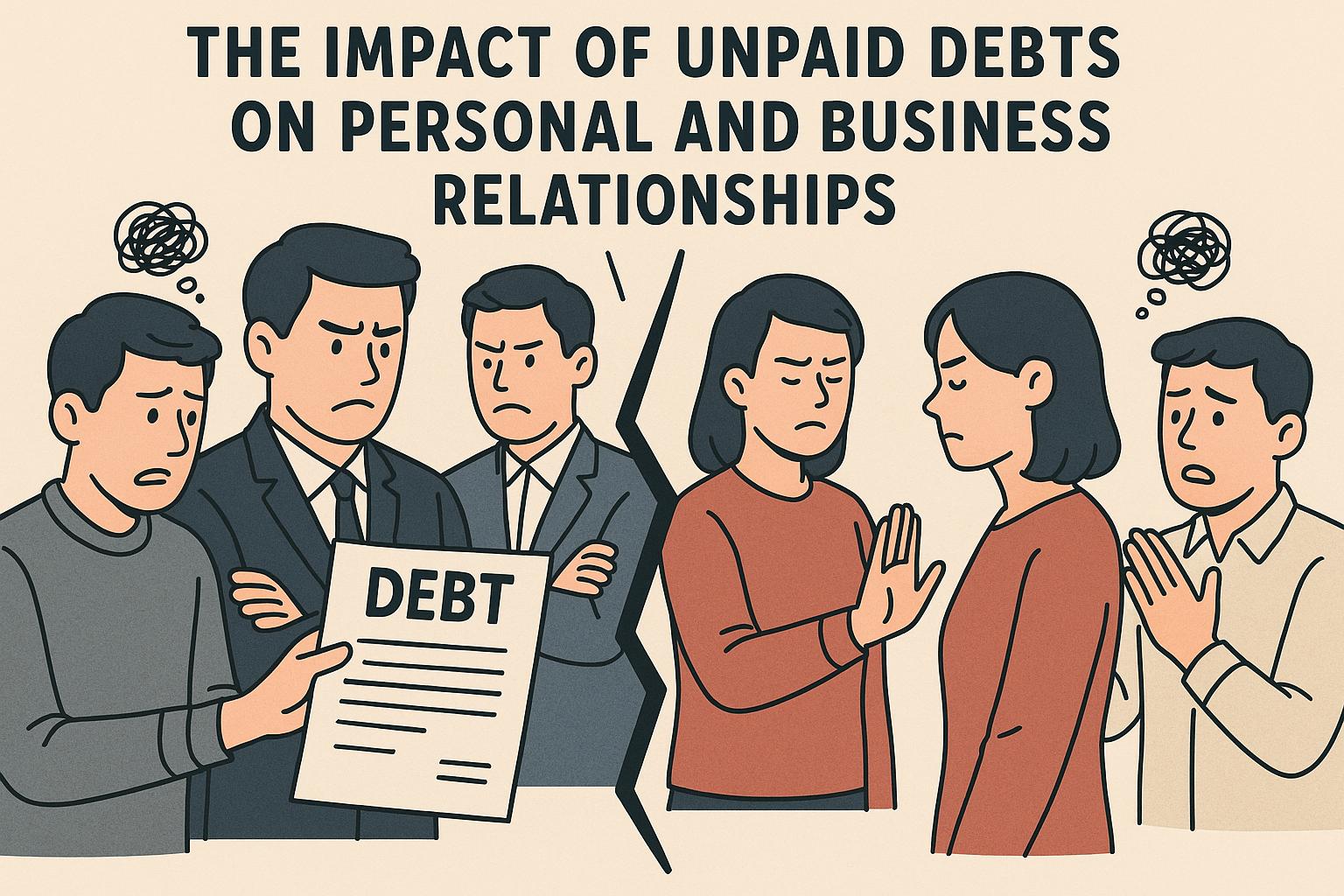
The Implications of Unpaid Debts on Personal Relationships
Unpaid debts are a complex issue that can have manifold repercussions on personal relationships. When individuals borrow money from friends or family and then fail to fulfill their financial obligations, it can significantly strain these relationships. Such situations often lead to feelings of betrayal and disappointment, fostering resentment that can create an uncomfortable atmosphere in social settings. The unfulfilled promises alter relational dynamics and invite a spectrum of emotional challenges.
Trust Erosion
Trust serves as a foundational element in any relationship. It is the assurance that we can rely on others to act in a way that will not harm us. However, financial matters can put this trust to severe tests. In personal settings, when debts are not repaid, it triggers doubts about the debtor’s reliability and integrity. This erosion of trust is not easily repaired and can sometimes permanently alter the nature of a relationship. Trust, once broken, carries long-term repercussions, often requiring years of effort and consistent behavior to mend.
Communication Breakdowns
Financial disputes have a profound potential to disrupt communication. The borrower may harbor feelings of embarrassment or shame, prompting avoidance behaviors to dodge uncomfortable confrontations. Meanwhile, the lender might experience awkwardness and find discussing the issue difficult. This mutual silence often exacerbates the problem. By leaving financial issues unaddressed, the tension and misunderstandings only grow, creating an environment ripe for further relational degradation.
Consequences for Business Relationships
In a business context, unpaid debts can have even broader and more complex implications. Unlike personal relationships, where emotional ties often complicate matters, business relationships are mostly governed by legal agreements and financial objectives. The repercussions are similarly significant and often have a swift impact on operational capabilities.
Creditworthiness Impact
Unpaid debts can severely damage a business’s creditworthiness. Creditworthiness is essential for securing future financing, and failure to repay debts can make this increasingly challenging. Financial institutions and suppliers may grow wary of extending credit, leading to cash flow issues that can hamper operational activities and limit growth opportunities. The inability to secure necessary credit might lead to stagnation or even declination of business growth.
Professional Reputation
Another substantial consequence is damage to a business’s professional reputation. In the professional world, where information travels quickly through networks, news of unpaid debts can erode respect among peers and potential partners in the industry. This damage trickles down, reducing the chances of forming new partnerships or gaining access to desirable markets. A tarnished reputation involves extensive effort and time to rebuild and regain trust within the industry.
Preventative Strategies
To avoid the negative impact that unpaid debts can have, both personal and business settings should consider implementing effective preventative strategies. This proactive approach can significantly mitigate potential conflicts and financial disruptions before they materialize.
Clear Agreements
It’s critical to establish clear, written agreements before entering any transaction that involves borrowing. These agreements should detail all terms of repayment. Such a step can prevent future misunderstandings and serve as a reference point if disputes arise down the line. A well-documented agreement is fundamental in ensuring all involved parties are on the same page from the outset.
Open Communication
Maintaining open lines of communication is crucial for managing expectations and addressing potential problems before they escalate. Engaging in regular updates and honest discussions about financial capabilities can significantly reduce tensions. Open communication facilitates the identification of mutually agreeable solutions when repayment issues arise and underscoring mutual understanding.
Seeking Professional Advice
In certain situations, seeking professional advice from financial advisors or mediators can be an advantageous step forward. Professionals offer impartial advice and guidance on negotiating repayment plans or resolving disputes amicably. Professional intervention can provide the clarity needed to untangle complex financial intricacies and foster a more conducive environment for resolution.
Conclusion
Unpaid debts can deeply affect both personal and business relationships. Within personal settings, it leads to trust erosion and communication breakdowns. In business contexts, it affects creditworthiness and tarnishes reputations. By implementing preventative measures and cultivating clear communication, it is possible to minimize the negative ramifications associated with unpaid debts. Institutions and individuals alike should consider it a valuable investment to explore how debt impacts behavioral finance and personal interactions, perhaps by consulting resources such as Investopedia or seeking tailored advice from financial professionals. This proactive approach can pave the way for healthier financial relationships and a more sustainable financial ecosystem.