
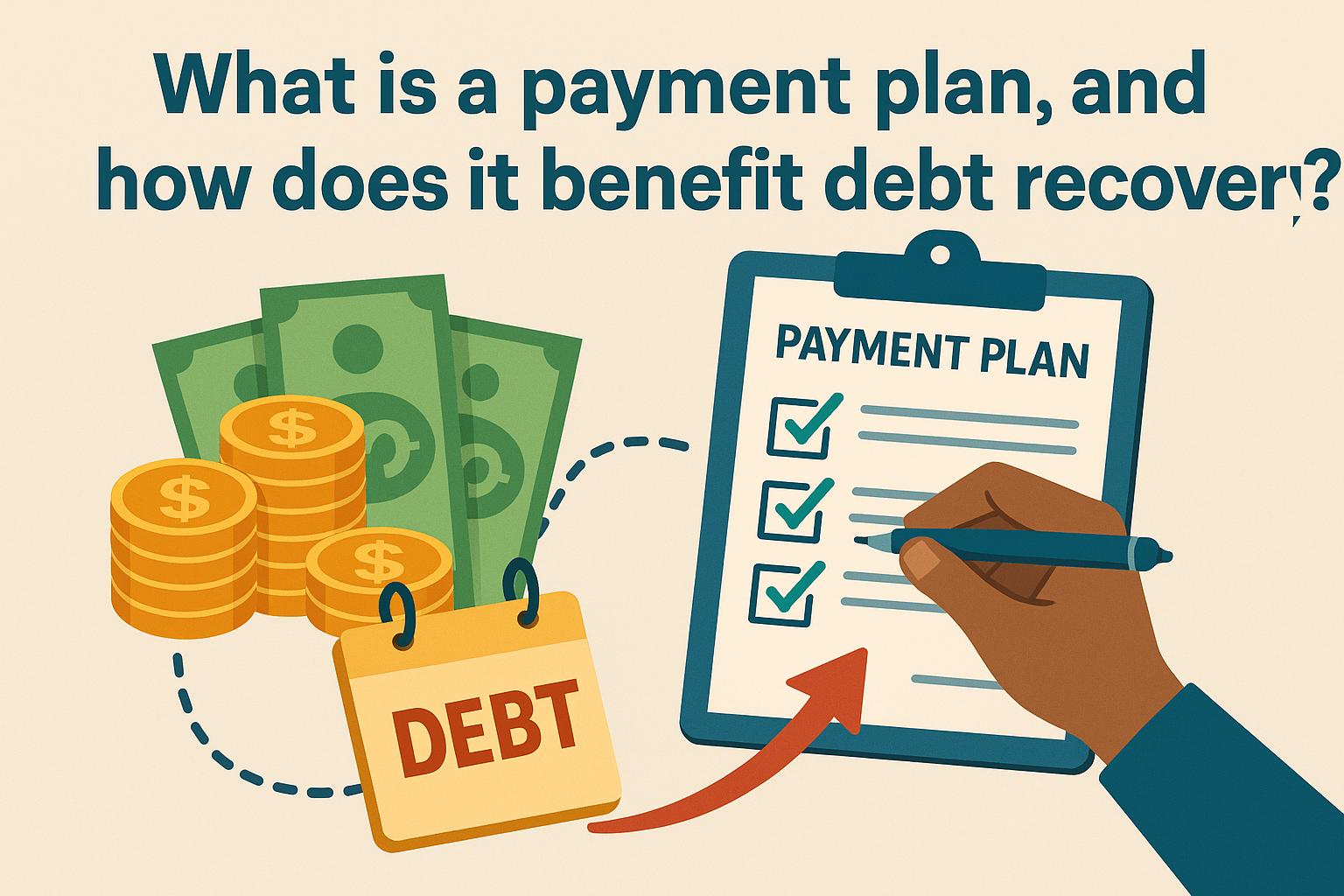
Understanding Payment Plans
A payment plan represents a structured financial agreement meticulously crafted between a debtor and a creditor. Its primary function is to lay out a clear strategy for how a specific debt will be paid off over a designated period. By setting forth particular details such as the amount, frequency, and overall duration of payments, a payment plan ensures that the involved parties have a mutual understanding of how the debt will be gradually settled. These plans are strategically designed to align with a debtor’s financial capacity, enabling them to manage their debt responsibilities without enduring undue economic distress.
How Payment Plans Work
Payment plans find their applicability across numerous financial circumstances. These include loans, medical expenses, and credit card debts, among others. The inception of a payment plan is rooted in an agreement between the debtor and the creditor on the plan’s fundamental terms. Some of the primary components include:
Payment Amount: This refers to the fixed amount that the debtor agrees to pay at regular intervals until the outstanding debt is completely eradicated. By determining this amount beforehand, both parties ensure clarity in the repayment process.
Payment Frequency: This specifies how often payments will be made. These payments can occur weekly, biweekly, monthly, or follow another schedule that fits both parties’ preferences.
Duration: The overall timeline within which all payments will be completed is known as the payment plan’s duration. This timeline is crucial as it helps in calculating interest, if applicable, and setting realistic financial goals for both sides.
Benefits for Creditors
From a creditor’s perspective, payment plans offer substantial advantages. One of the most compelling benefits is increased assurance of recovering outstanding debts. Enforcing an immediate full payment can often be unrealistic for many debtors. Conversely, implementing a structured, flexible payment plan encourages consistent payments by the debtor, ensuring a more reliable cash inflow. Additionally, there are several other notable benefits:
Enhanced Debt Recovery Likelihood: By fostering a systematic approach to repayment, payment plans significantly bolster the chances of full debt recovery.
Improved Cash Flow: With a payment plan in place, creditors receive regular payments over time, positively influencing their cash flow.
Reduced Administrative Burden: Engaging in structured payment plans diminishes the need for extensive debt collection processes, thereby minimizing administrative challenges and associated costs.
Advantages for Debtors
On the other hand, debtors also derive numerous benefits from payment plans. These plans provide a sustainable method to manage their financial repayments. Some of the key advantages include:
Avoidance of Default: Defaulting on a debt can have severe financial repercussions. Payment plans prevent such scenarios by allowing debtors to repay through smaller, more manageable installments instead of overwhelming lump sums.
Potential Reduction in Penalties: Some creditors may decrease or even eliminate certain penalties and interest if debtors adhere to the agreed terms and conditions of the payment plan.
Credit Score Improvement: Maintaining consistent payments according to a predetermined plan can positively influence a debtor’s credit score, reflecting their financial responsibility and reliability.
Implementation and Considerations
The successful implementation of a payment plan necessitates careful consideration from both the debtor and the creditor. Before finalizing a plan, both parties must thoroughly evaluate the debtor’s financial capacity to comply with the agreement. Clearly outlining and documenting every detail of the plan helps prevent misunderstandings and potential disputes. In some cases, bringing in mediation services or financial advisors can be exceptionally beneficial. These professionals can help devise a plan that fulfills the expectations and requirements of both parties involved.
Moreover, for individuals seeking more comprehensive insights regarding payment plans, it is advisable to explore resources from reputable financial organizations or firms proficient in debt recovery and financial management services. These resources can provide detailed guidance and strategies tailored to varying financial situations, ensuring that both debtors and creditors are well-informed and equipped to handle their respective financial obligations effectively.