
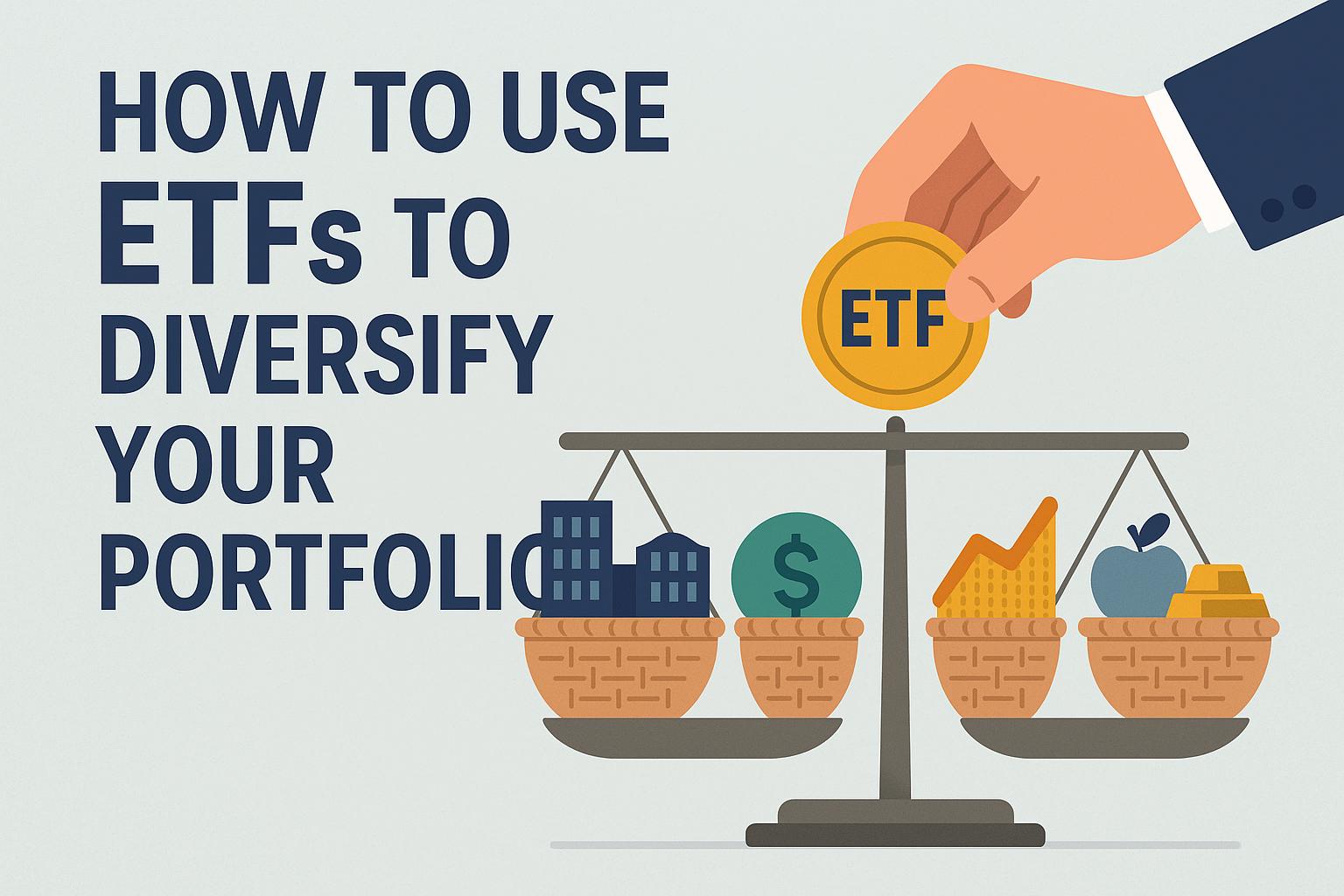
Understanding ETFs
Exchange-Traded Funds (ETFs) represent a contemporary way of investing, offering opportunities similar to those available in traditional stocks. Unlike mutual funds, which are bought directly from the fund provider, ETFs can be purchased and sold on public stock exchanges. Their structure allows them to hold a mix of assets, including stocks, commodities, and bonds, and they are frequently designed to track the performance of a specific index. Due to their unique composition and trading flexibility, ETFs have seen a significant increase in popularity, particularly among investors looking to diversify their portfolios without incurring high costs.
Benefits of ETFs for Diversification
One of the primary reasons investors turn to ETFs is for their capability to diversify investment holdings effectively. Here are some notable benefits associated with ETFs in this context:
Diversification Across Assets: ETFs typically comprise a wide array of different assets, which inherently reduces the risk associated with any single security’s poor performance. This feature is crucial for investors aiming to mitigate specific risks that can result from concentrating investments in individual assets. By spreading investments across numerous holdings, ETFs help to buffer portfolios against market volatility.
Access to Various Markets and Sectors: Broadening exposure to different markets and sectors is another compelling advantage of investing in ETFs. They grant investors access to a variety of marketplaces, including those outside their domestic borders. Additionally, ETFs provide options to invest in specific segments like technology, healthcare, and commodities markets, furnishing a balanced approach to portfolio management by covering both geographic and sectoral diversity.
Cost Efficiency: ETFs often boast lower expense ratios relative to mutual funds, primarily due to their passive management nature. Instead of employing fund managers to make decisions about asset allocation, ETFs follow predefined indexes, resulting in decreased operational costs. Over the long run, these savings can accumulate to significantly bolster net returns for investors.
Types of ETFs
To make informed decisions regarding which ETFs might be most beneficial for your investment strategy, it’s essential to understand the various types available:
Equity ETFs: These ETFs focus on tracking a particular stock index, enabling investors to diversify their investments across numerous companies and industries. They are well-suited for individuals seeking to partake in equity markets without tying funds to specific companies.
Bond ETFs: Catering to those interested in income generation, bond ETFs invest in different classes of fixed-income securities, which may include government or corporate bonds. They provide investors with a steady income stream, along with diversification benefits.
Commodity ETFs: Commodity ETFs allow investors to gain exposure to raw materials, such as gold, oil, and agricultural products. They are particularly attractive to those looking to diversify beyond traditional securities, tapping into the dynamic commodities market.
Sector and Industry ETFs: These focus on specific sectors or industries, offering targeted exposure. For example, an industry ETF may concentrate on tech firms, while a sector ETF may focus on real estate, enabling investors to capitalize on particular market trends or opportunities.
Strategies for Using ETFs
In deploying ETFs within an investment portfolio, various strategies can be adopted to optimize performance and meet specific investment goals:
Core-Satellite Approach: This method involves using broad-market ETFs to form the core of a portfolio, providing baseline diversification and stability, while strategically enriching the portfolio with sector or thematic ETFs as satellite investments. This way, investors can achieve both broad and targeted exposure, potentially enhancing returns while maintaining diversified risk.
Risk Management: By combining equity and bond ETFs, investors can tailor their portfolios to align with personal risk tolerance levels. Implementing bond ETFs within a portfolio can help contain volatility, balancing out the more turbulent nature of equity investments and ensuring steadier portfolio performance over time.
Geographic Diversification: ETFs offer the ease of incorporating international assets into an investor’s portfolio, mitigating concentrated risks associated with domestic markets. By including international ETFs, investors can protect against downturns in specific regional economies.
Considerations When Investing in ETFs
Although ETFs provide numerous advantages, potential investors should be mindful of several factors before committing funds:
Expense Ratios: Despite their general reputation for lower fees, ETF expense ratios vary. It’s crucial to compare these costs across different funds, as even marginal differences can compound into significant financial implications on returns over the years.
Liquidity: Liquidity refers to the ease with which an ETF can be bought or sold in the market without affecting its price. Selecting ETFs with sufficient trading volume is vital, as low liquidity could complicate transactions, leading to purchase delays or added transaction costs.
Tracking Error: Investors should assess how tightly an ETF follows its benchmark index. A high tracking error suggests discrepancies in performance, potentially causing divergences from expected returns predicted by the index.
As you consider how ETFs may fit into your overall investment diversification strategy, it might be valuable to explore further resources and tap into expert financial recommendations. Visiting prominent investment platforms like Fidelity or Vanguard can provide additional insights, particularly concerning specific ETF options and ideas on portfolio structuring to suit individual financial goals.