
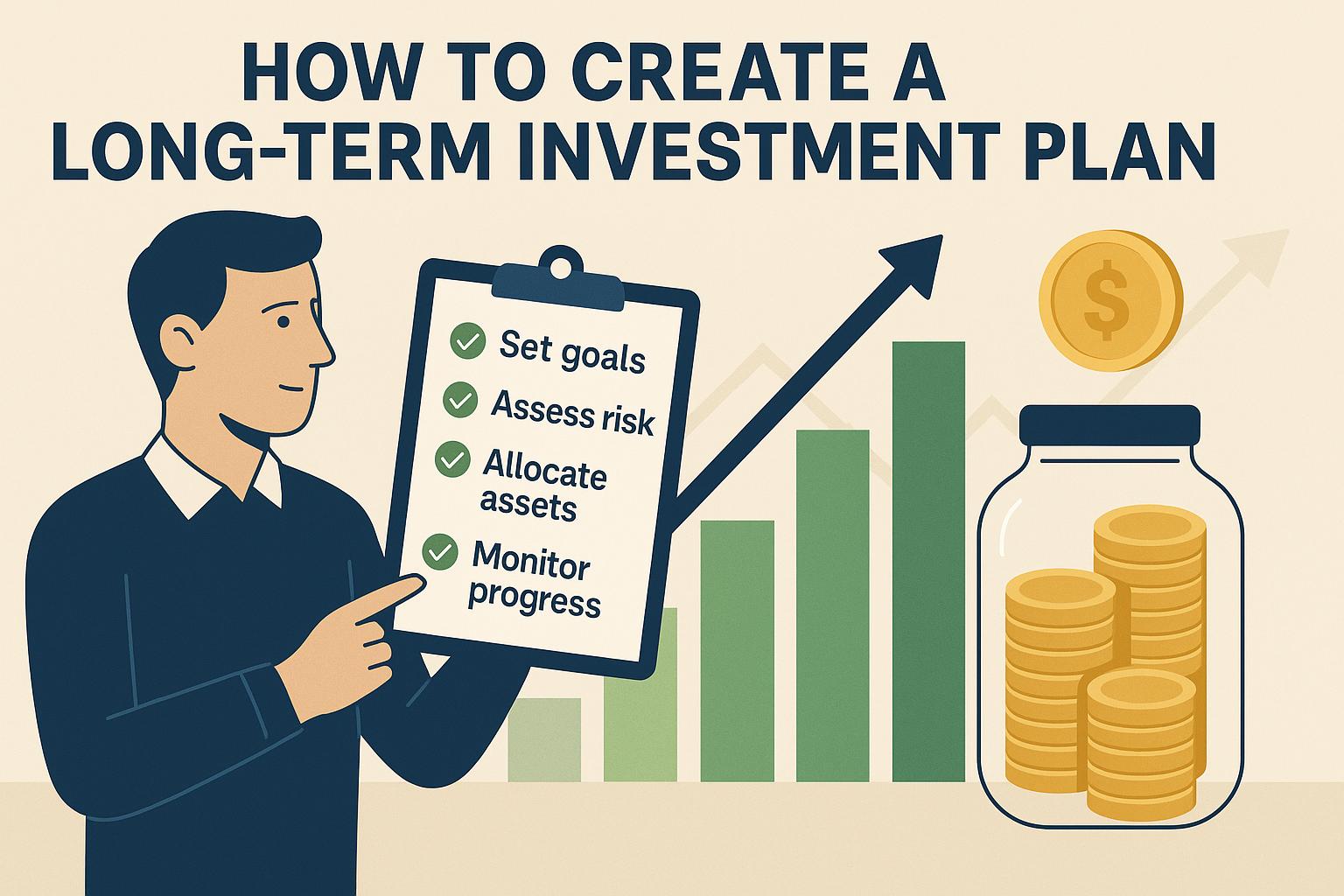
Understanding Long-Term Investment
Long-term investment is the practice of allocating capital into assets or ventures with the intent of achieving substantial growth over an extended period, typically five years or more. This method requires careful planning, diversification, and patience to endure the inevitable market fluctuations and eventually garner substantial returns.
Setting Clear Investment Goals
Before diving into a long-term investment plan, establishing clear and realistic investment goals is crucial. Pinpointing what you aspire to accomplish—whether it’s financing future education, purchasing a home, or ensuring a comfortable retirement—will assist in developing a customized investment strategy.
Assessing Your Risk Tolerance
Your capacity to handle investment risks varies. It’s vital to evaluate your personal risk tolerance, which refers to the degree of variability in investment returns you are willing to endure. Several elements such as age, income, and financial obligations significantly contribute to defining your risk profile.
Conducting Market Research
Carrying out comprehensive market research is essential for understanding where to invest your funds. This process entails examining market trends, industries, and identifying specific companies or assets worth investing in. Reliable sources and professional financial advisors can offer valuable insights into potential investment avenues.
Choosing the Right Investment Vehicles
Selecting the suitable investment vehicles forms a critical part of a long-term strategy. Popular choices include stocks, bonds, mutual funds, exchange-traded funds (ETFs), and real estate. Each option comes with its unique risk profile and expected returns.
– Stocks: Investing in stocks involves purchasing shares of a company with the hope of capital appreciation. While stocks can be volatile, they often offer high returns over extended periods.
– Bonds: Bonds are generally considered safer investments compared to stocks. They represent a loan made by an investor to a borrower, typically corporate or governmental, providing regular interest payments.
– Mutual Funds: These are investment programs funded by shareholders, trading in diversified holdings and professionally managed, offering a mixture of stock and bond options.
– Exchange-Traded Funds (ETFs): Similar to mutual funds, ETFs are a collection of securities that offer diversified exposure but trade on stock exchanges like individual stocks.
– Real Estate: Real estate investments involve purchasing properties to generate rental income or capital appreciation. Though it requires substantial capital, real estate can provide significant long-term returns.
Importance of Diversification
By spreading investments, you improve the chances of reducing potential risks associated with market volatility. A well-diversified portfolio might include a balanced mix of stocks, bonds, and real estate holdings.
Regularly Reviewing and Adjusting the Plan
Financial markets and personal financial situations do not remain static. Hence, it’s imperative to routinely review and refine your investment plan. This upkeep helps ensure that your strategy stays in sync with your goals and risk tolerance.
Considerations for Fees and Taxes
Investing comes with various fees, such as management fees for mutual funds, and also harbors tax implications. Being aware of these can aid in maximizing your net returns. Consulting with a financial advisor or tax expert can offer strategies to enhance your investment returns and reduce tax liabilities.
– Management and Expense Fees: These fees are associated with assets like mutual funds and ETFs, impacting your overall returns over time.
– Tax Implications: Capital gains taxes apply when profits from investments exceed a specific threshold. Structuring your portfolio to minimize these liabilities can be beneficial.
Navigating the investment landscape requires a balance of understanding risks, selecting suitable investments, conducting comprehensive research, and maintaining flexibility to revisit your strategy. Long-term investments demand patience, yet the potential rewards can be substantial. For more detailed guidance and advice on formulating a long-term investment plan, consider consulting resources or professionals with proficiency in financial planning and investment strategies.